
Peru
Peru is one of the most valuable countries on the planet due to its high landscape diversity, living resources or biodiversity, its mineral wealth and invaluable contribution of its people to the world’s welfare. Without Peru, this would be poor and famished.
Peru covers an area of 1’285,216 sq km. Its population in 2008 reached 28 million. The official language is Spanish, but also 45 other native languages are spoken. The first men arrived to Peru about 20,000 years ago and brought the dog and knowledge of fire. They evolved in many groups and different cultures, and came to establish some of the most important civilizations of the old times.
LANDSCAPES AND ECO-SYSTEMS DIVERSITY
- Peru has a very high ecological diversity of climates, ecological areas of production and productive ecosystems.
- It is the second country in Latin America (after Brazil) and fourth in the world in tropical forests; owning 13% of the Amazon basin. In total area of forests, it ranks eighth on the planet.
- In its territory have been identified eleven eco-regions, which comprise: the cold sea, the tropical sea, the pacific coast desert, the equatorial dry forest, the pacific tropical forest, the highland steppes, the puna grassland, the high plateau páramo, the high jungle or cloud forest, the low jungle or tropical rainforest, and the palm tree savanna.
- Of the 117 Life Zones recognized in the world, 84 are in Peru. Of the 32 types of weather on Earth, Peru has 28.
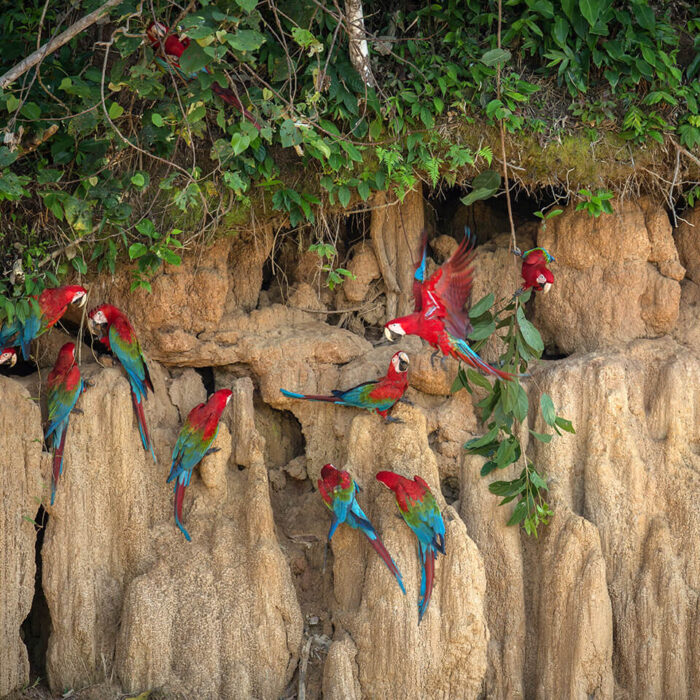
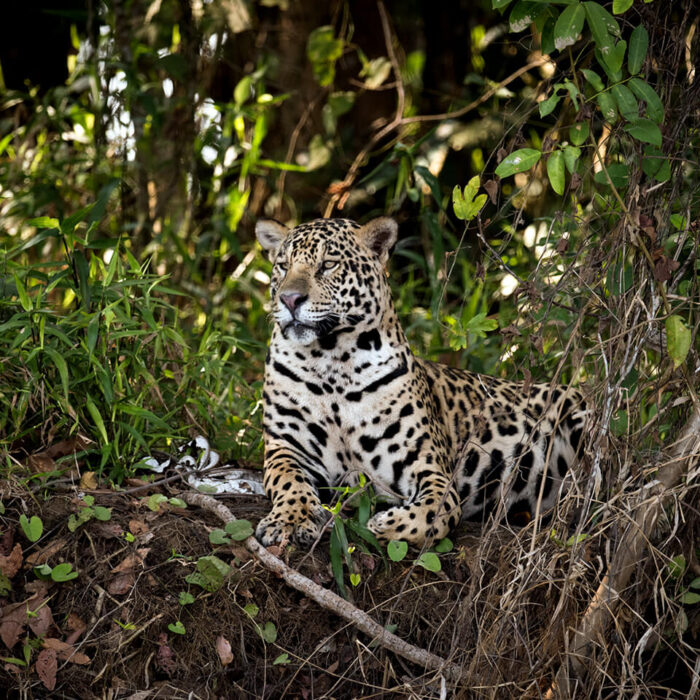
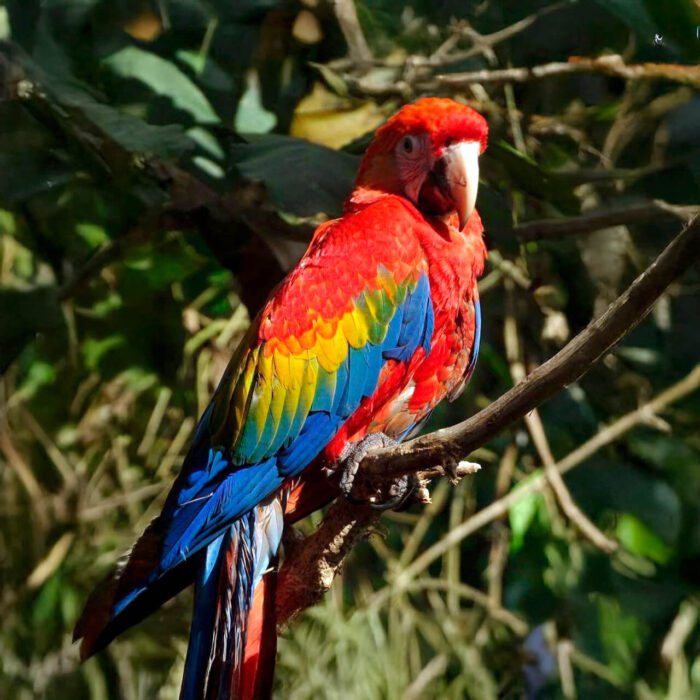
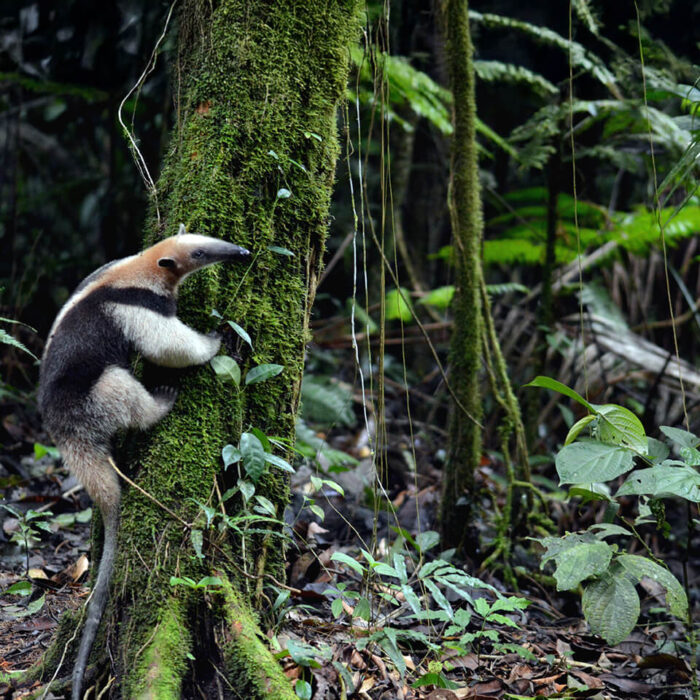
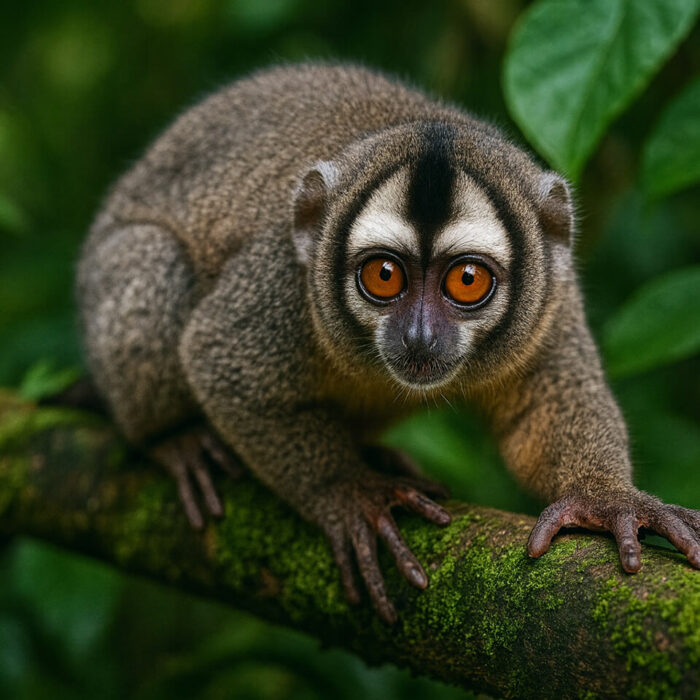
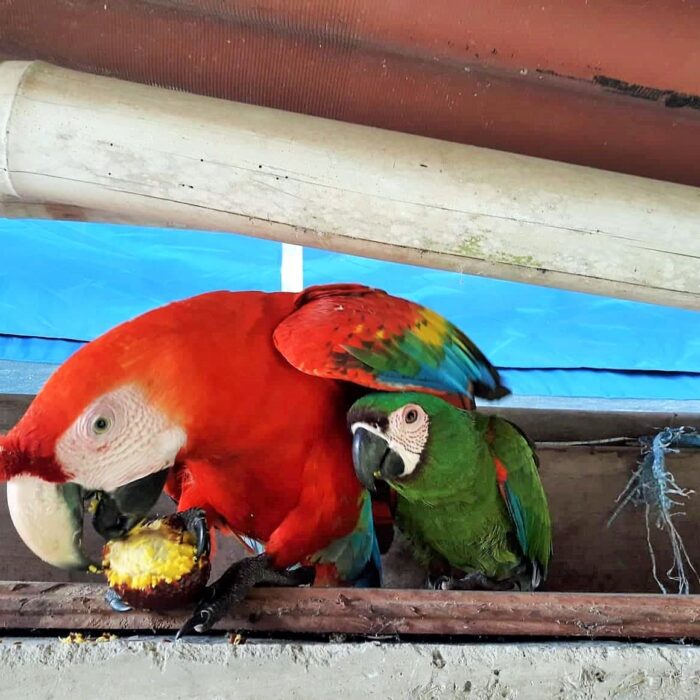
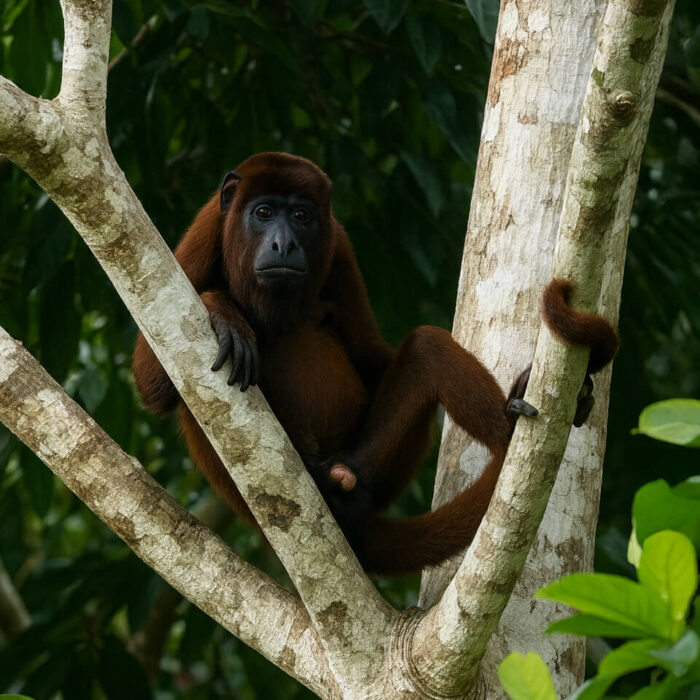
- Its geography is worldwide recognized as home for ecosystems with high diversity of species such as the cold sea of the Peruvian current, the dry forests in the northern coast, the puna grassland, the high jungle, and the Amazon rainforest — where diversity in species reaches its maximum expression. The high diversity of ecosystems has allowed the development of many human groups with their own cultures and remarkable technological, culinary, and cultural achievements.
- It has the largest snow mountains of the tropics: the Cordillera Blanca.
CULTURAL AND ETHNIC DIVERSITY
Peru has 14 linguistic families and at least 44 different ethnic groups. Of these, 42 inhabit the Amazon. These aboriginal groups have important knowledge regarding the uses and properties of many plants and animals (4,400 known useful plants and varieties of minerals). In one hectare of traditional crop of potatoes in the highlands, it is possible to find from three to ten species of this tuber — exceeding all species and varieties cultivated in North America. These aboriginal cultures are important centers of traditional knowledge.