
Manaus
Manaus is the beating heart of the Brazilian Amazon — a city where the rainforest meets modern life. Surrounded by vast rivers and endless greenery, it preserves the legacy of its rubber-boom past while thriving today as a center of science, culture, and adventure deep in the jungle.
Located deep in the Amazon rainforest, Manaus, capital of the state of Amazonas —the largest in Brazil—, is a metropolis of nearly 1.5 million inhabitants. With its ecological parks and endless green areas, the city stands out for its natural beauty and the contrast between lush nature, modern technology, and historical heritage.
The city was founded in the second half of the 17th century with the construction of the Fort of São José da Barra on the banks of the Negro River, built to protect the region from foreign invasions. Its name comes from the Manaus Indigenous people who originally inhabited the area. For many years, Manaus remained isolated, until the 19th century when the rise of the international rubber trade attracted investors from around the world.
The wealth generated by the export of latex —extracted from the Hevea brasiliensis or rubber tree— financed the construction of luxurious buildings in the middle of the tropical forest, inspired by European architecture. Among them stands the Amazon Theatre (Teatro Amazonas), a symbol of the city’s golden age, where symphony orchestras and European opera companies once performed.
After the decline of the rubber trade, Manaus fell into a long period of obscurity, but regained its economic importance in 1957 with the creation of the Manaus Free Trade Zone. Today, it is a major industrial hub specializing in electronics, information technology, and communications.
BASIC INFORMATION
Climate: Heavy rainfall occurs between December and May, when the city’s waterfalls are at their most spectacular. Between August and November, during the dry season, the river beaches of the Negro River emerge.
Region: North
Population: 1,527,314 inhabitants
Area Code: (92)
ATTRACTIONS
Manaus offers a fascinating blend of nature, culture, and history. From architectural masterpieces that recall its rubber-boom splendor to vast ecological reserves and river beaches that appear with the rhythm of the waters, the city invites visitors to explore the heart of the Amazon in every sense. Whether by boat, on foot, or through its vibrant cultural scene, every experience in Manaus connects travelers with the pulse of the rainforest.
Amazon Theatre
The most iconic symbol of Manaus’s golden age, the Amazon Theatre seats 700 people and was built with imported materials — European bricks, French crystal, and Italian marble. It continues to host concerts, operas, and international cultural events.
Ponta Negra Cultural, Sports, and Entertainment Park
The Ponta Negra Beach, located 13 km from downtown, is one of Manaus’s main attractions. The complex features bike paths, viewpoints, recreation areas, cafés, restaurants, and a modern amphitheater with a capacity for 15,000 people. From here, visitors can enjoy one of the most breathtaking sunsets in the Amazon.
Public Bathing Areas
The igarapés (river channels) of Tarumã, Tarumãzinho, and Cachoeira das Almas are popular weekend destinations for locals. Manaus also has several public bathing spots currently being restored, as well as private clubs open to visitors.
Beaches and Ecological Parks
Trips to nearby beaches and ecological parks are usually made by boat. River beaches appear from August to November when the water level drops and disappear between December and May during the floods. These areas are perfect for relaxation, swimming, and water sports.
Paricatuba Waterfall
Located on the right bank of the Negro River, this waterfall, formed by sedimentary rocks and surrounded by lush vegetation, is accessible only by river. The best time to visit is from August to February.
Waterfall of Love
Situated along the Guedes igarapé, this waterfall of clear, cool water can be reached only by boat, followed by a short walk through the jungle. It is an ideal spot for nature lovers.
Tupé Beach
About 34 km from Manaus, Tupé Beach is one of the most popular among locals. It is accessible only by river and varies in width depending on the season: during the high water period, it measures about 20 meters, while in the dry season, it can reach up to 80 meters.
Moon Beach
Located on the left bank of the Negro River, 23 km from Manaus, Moon Beach (Praia da Lua) is crescent-shaped and surrounded by exotic vegetation. It offers white sand and clear, refreshing water, accessible only by boat.
Lion Waterfall
Located at km 34 of the AM-10 highway (Manaus–Itacoatiara), this waterfall is a pleasant place to spend the day. Bathing is allowed, and the water is clean and remarkably cold.
Anavilhanas
About 100 km upstream from Manaus, near the municipality of Novo Airão, lies Anavilhanas — the largest river archipelago in the world. Composed of more than 400 forest-covered islands, it forms a natural labyrinth. During the dry season, the receding waters reveal white-sand beaches and fascinating root formations.
Meeting of the Negro and Solimões Rivers
The famous “Meeting of the Waters” occurs where the dark waters of the Negro River meet the clay-colored waters of the Solimões River to form the Amazon. For six kilometers, the two rivers run side by side without mixing, due to differences in temperature, density, and flow speed: the Negro flows at 2 km/h at 22°C, while the Solimões flows at 4–6 km/h at 28°C.
Adolpho Ducke Botanical Garden
Located within a 100 km² ecological reserve, the Adolpho Ducke Botanical Garden is the largest in the world. It houses a vast collection of plant and animal species and serves as a center for conservation, research, and environmental education.
Mindú Municipal Park
Situated in the Parque 10 de Novembro neighborhood, this 33-hectare urban park protects one of the last habitats of the pied tamarin (Saguinus bicolor), an endangered species found only in the Manaus region. The park includes ecological trails, an amphitheater, nurseries, an orchid garden, and environmental education facilities.
Forest of Science
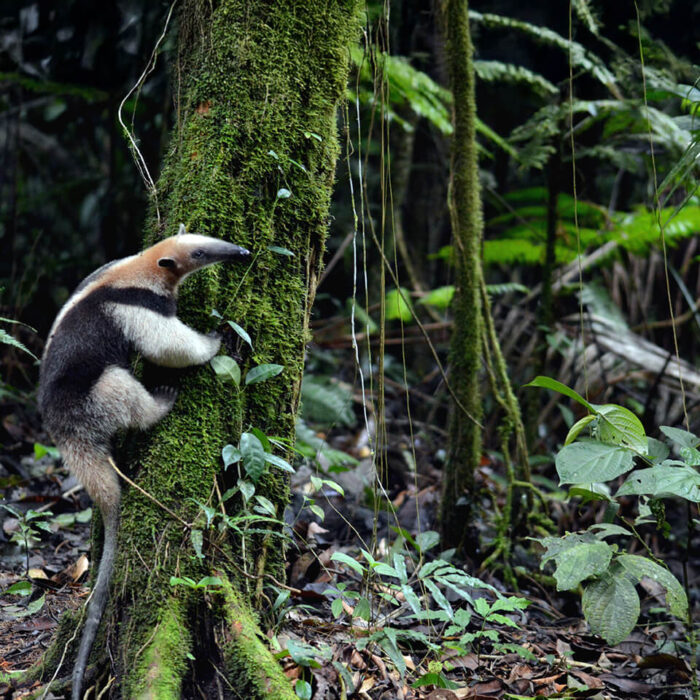
Located within the city limits, the Forest of Science is part of the National Institute for Amazonian Research (INPA). It offers an educational experience about the Amazon ecosystem, with walking trails, manatee pools, giant otters, a bee house, and a botanical garden — all designed for both recreation and learning.
Zoo
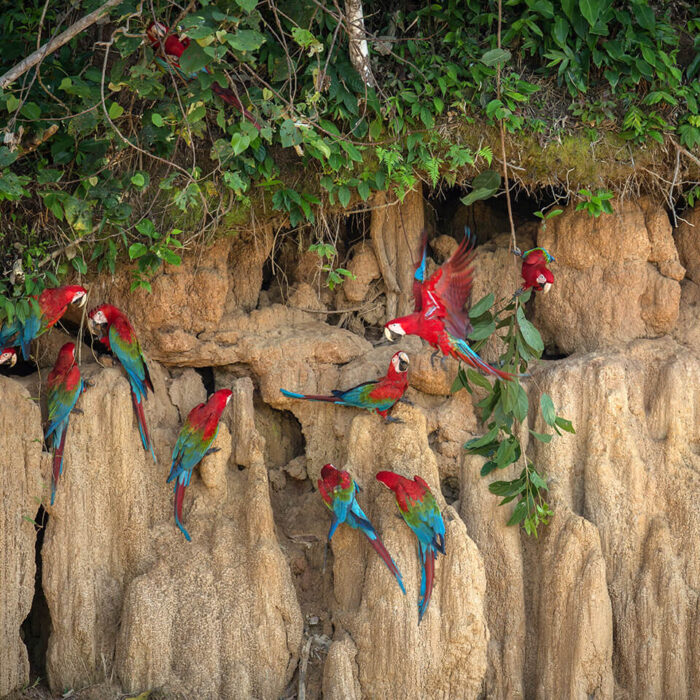
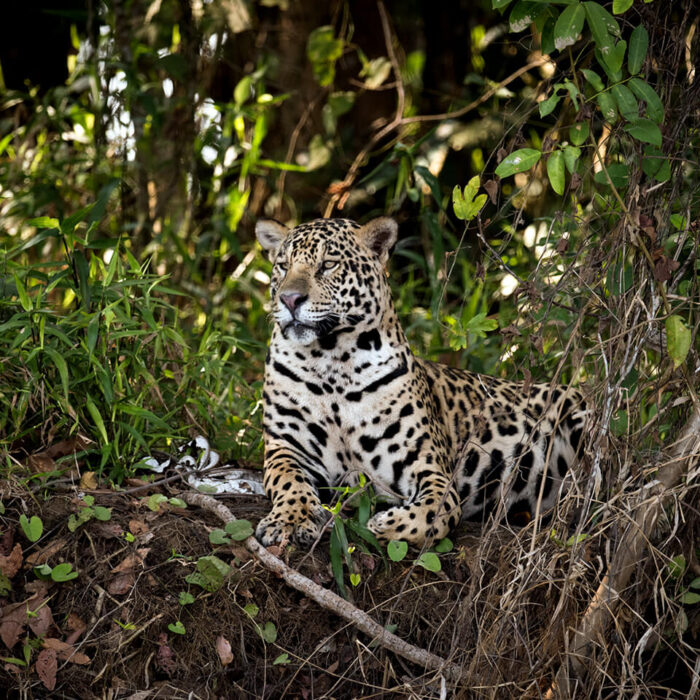
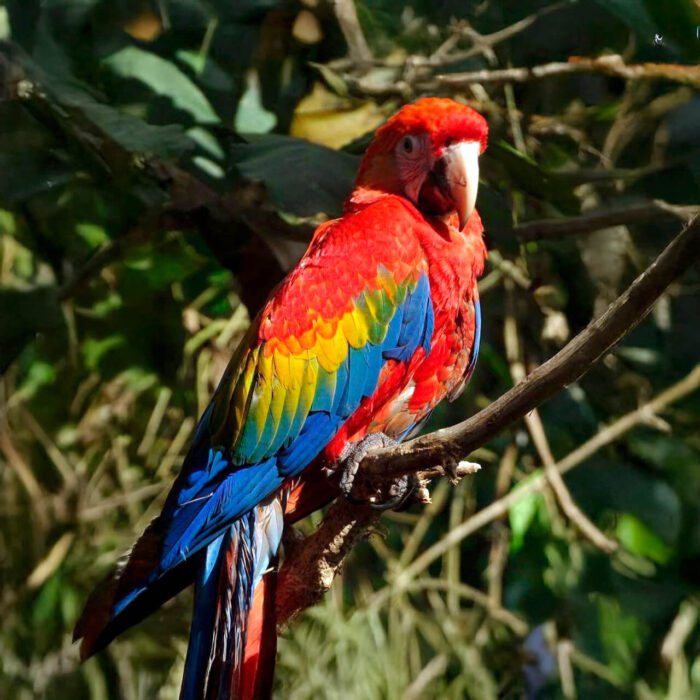
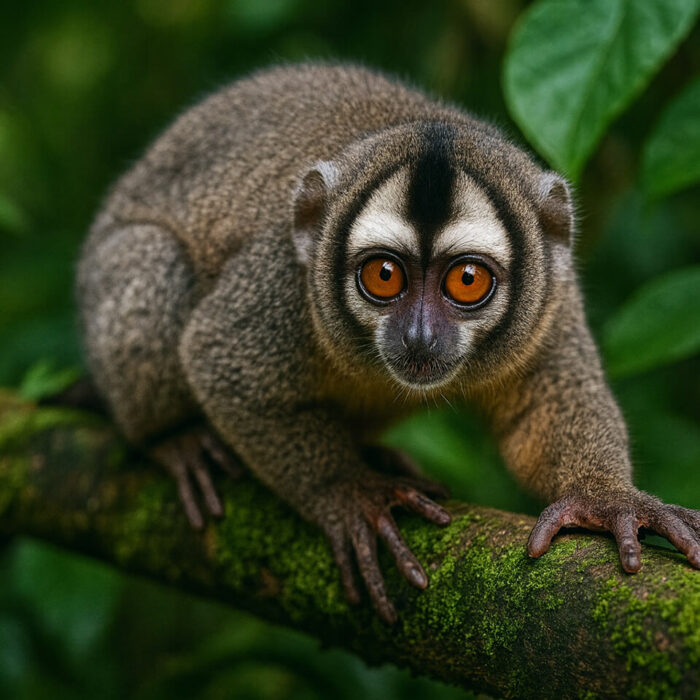
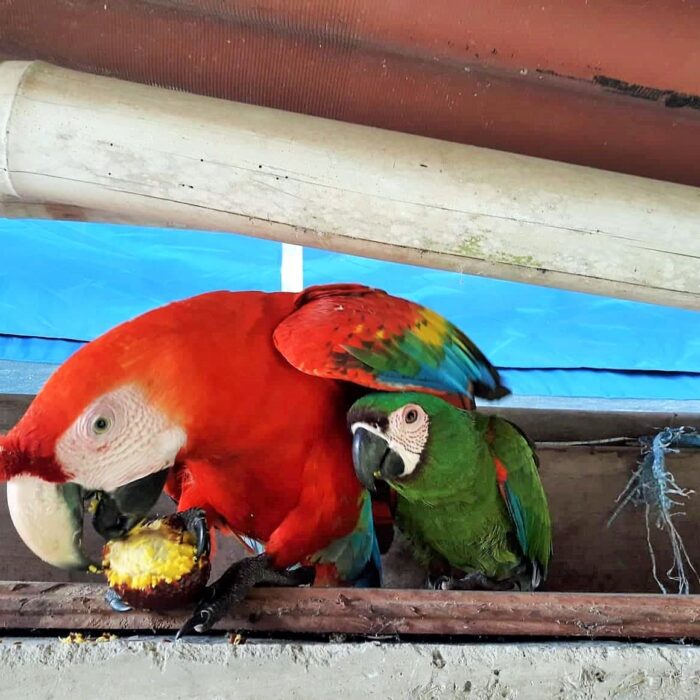
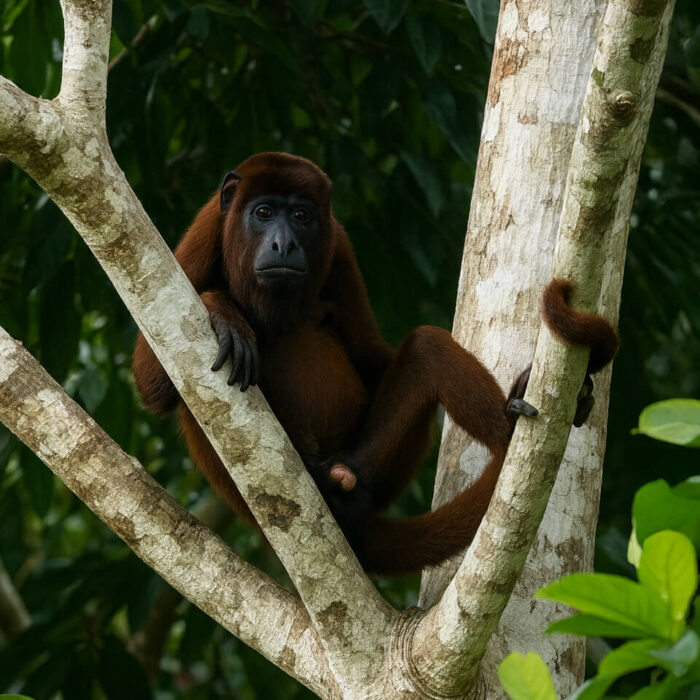
Managed by the Brazilian Army, the Manaus Zoo houses around 300 species of Amazonian wildlife, including monkeys, jaguars, tapirs, macaws, caimans, anacondas, and giant otters. It plays an important role in conservation and education.
Tropical Manaus Eco Resort
The Tropical Manaus Eco Resort is the largest luxury hotel in Brazil, located on the banks of the Negro River in the heart of the Amazon. With 588 rooms, it offers a wide range of services for accommodation, events, sports, and ecotourism — only 10 km from the international airport and 16 km from downtown.
Iberostar Grand Amazon Cruise
This luxurious cruise ship, with capacity for 150 passengers, sails the Negro and Amazon rivers offering all the comforts of a five-star hotel. Departing from Manaus, it stops at several points in the rainforest for excursions into the dense vegetation — an ideal choice for those seeking adventure without sacrificing comfort.