
Tambopata
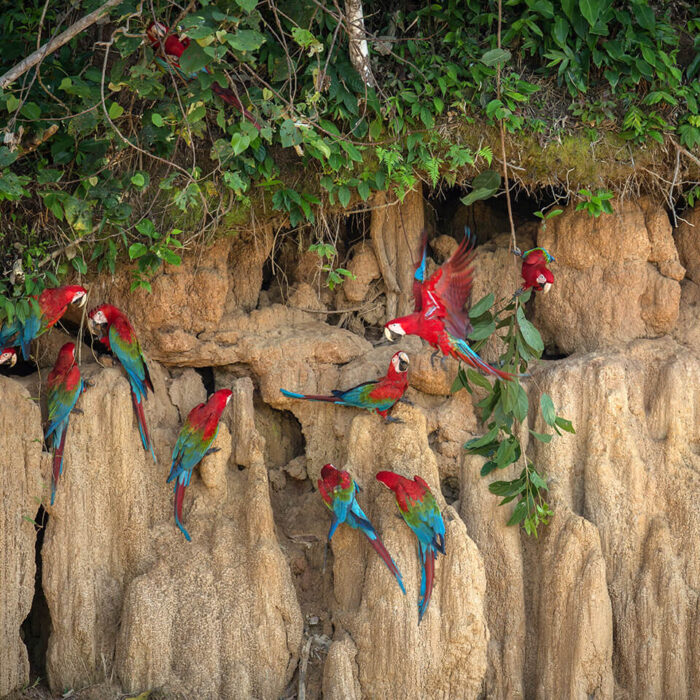
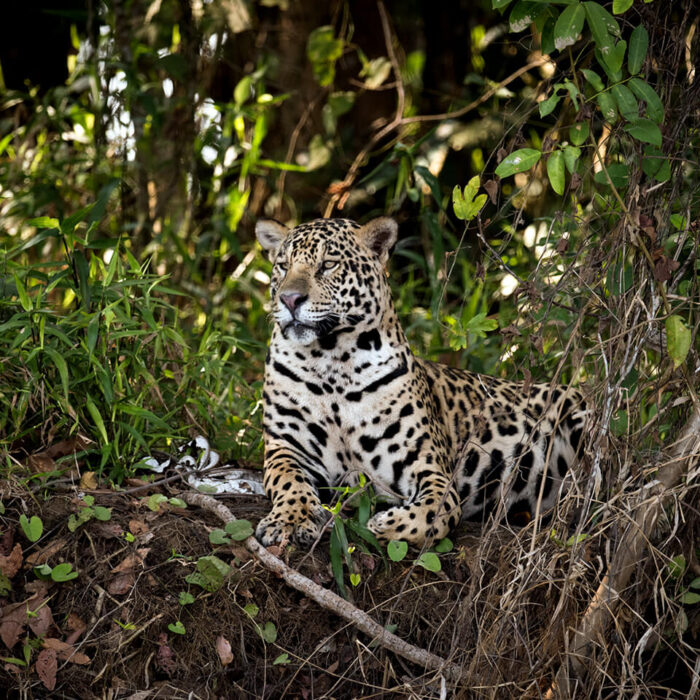
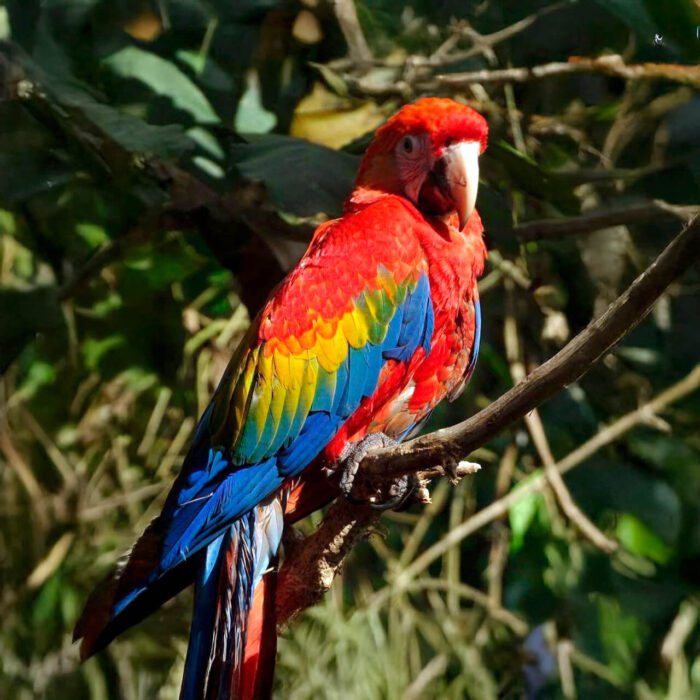
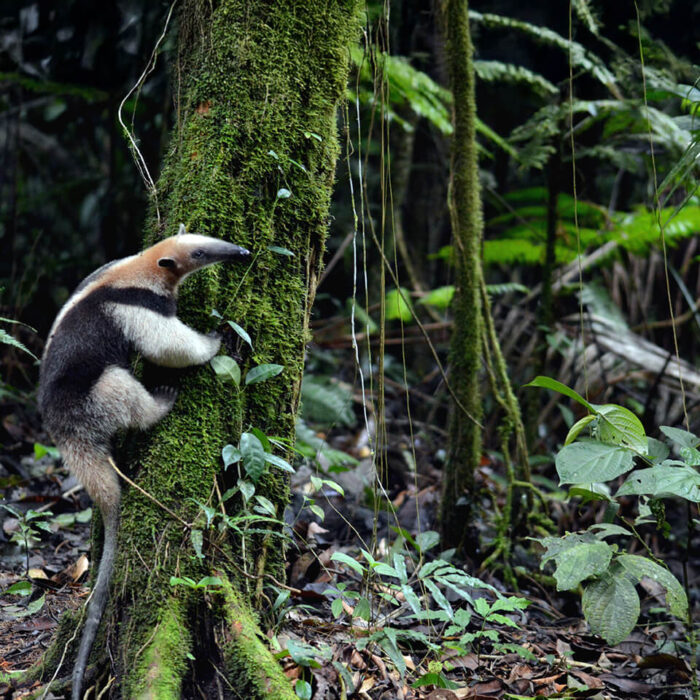
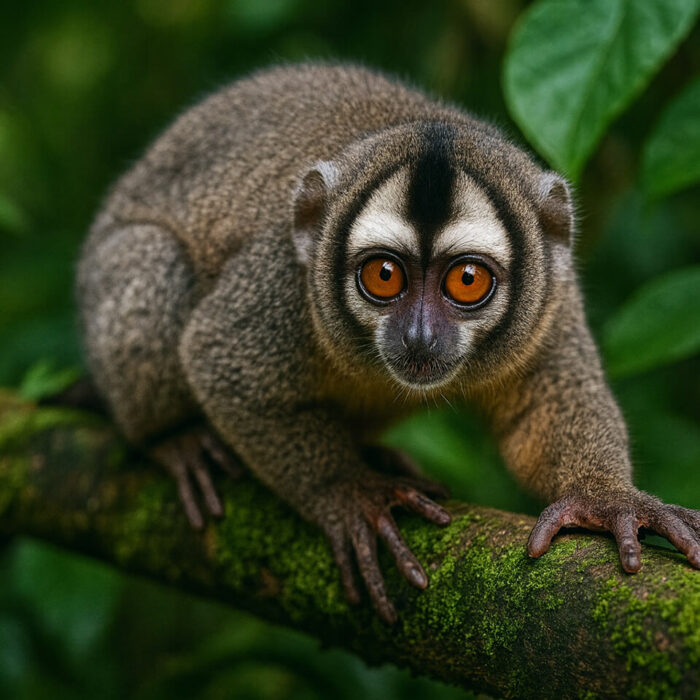
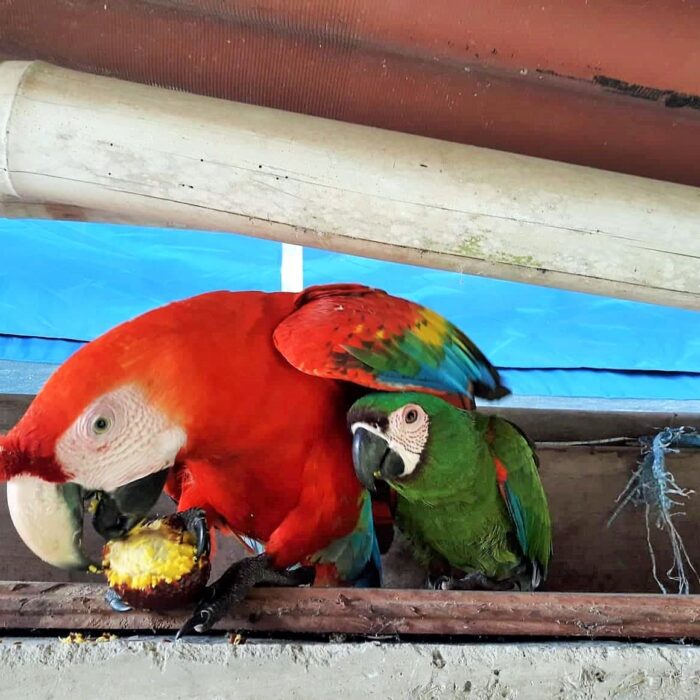
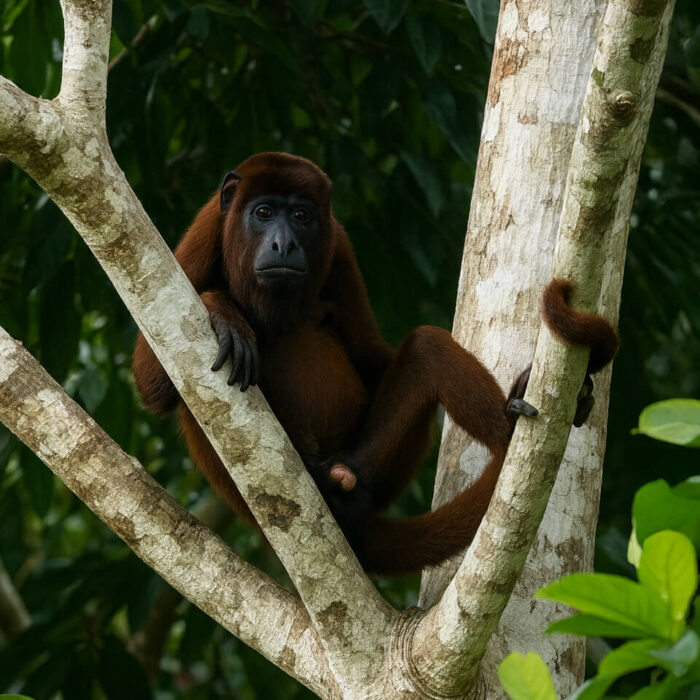
Tambopata is one of the most biodiverse regions on Earth, a sanctuary where rivers, forests, and wildlife coexist in perfect harmony. Known for its oxbow lakes and vibrant ecosystems, it is a living museum of the Amazon’s natural wealth.
The Tambopata Reserve is internationally recognized as one of the world’s richest lowland ecosystems, rivaling even Manu in its diversity. Tambopata offers visitors an exciting and unique Amazonian experience, combining pristine wilderness with accessible exploration.
Two of the most remarkable ecological areas in Tambopata are Lake Sandoval and the Bahuaja-Sonene National Park, both located near the Madre de Dios River. These areas protect extensive tropical forests, wetlands, and an incredible variety of species, many of which are endemic to this part of the Amazon.
The original Tambopata Candamo Reserved Zone (TCRZ) was established by ministerial resolution in January 1990 as part of a broader land management policy. Its purpose was to safeguard the region while studies were conducted to determine sustainable land use. Although various pressures challenged this initiative, it laid the foundation for modern conservation in southeastern Peru.
One of the proposals that emerged was to create a national park to protect the watersheds of the Tambopata and neighboring rivers from deforestation and uncontrolled human activity. This led to the establishment of the Bahuaja-Sonene National Park in August 1996, granting 54,000 hectares of the original reserved zone full protection under Peruvian law — a milestone for nature conservation, as access to such parks is strictly limited to scientific and authorized activities.
SANDOVAL LAKE
The dynamic flow of Amazonian rivers often causes meanders to be cut off during the rainy season, forming isolated oxbow lakes. Lake Sandoval is one of these, a perfect crescent of calm waters surrounded by dense forest.
Located deep within the Tambopata Reserve, Lake Sandoval is one of the main attractions for travelers visiting Puerto Maldonado. It is famous for its resident family of giant otters and serves as a sanctuary for crocodiles, herons, turtles, and countless fish species. The lush vegetation, mirrored on the lake’s surface, creates an unforgettable landscape that can be explored quietly by canoe throughout the day.