
Manu National Park
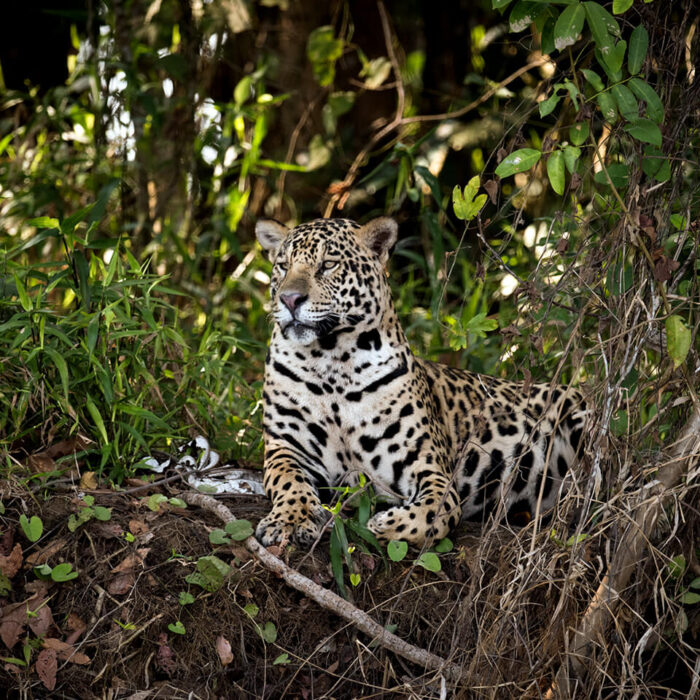
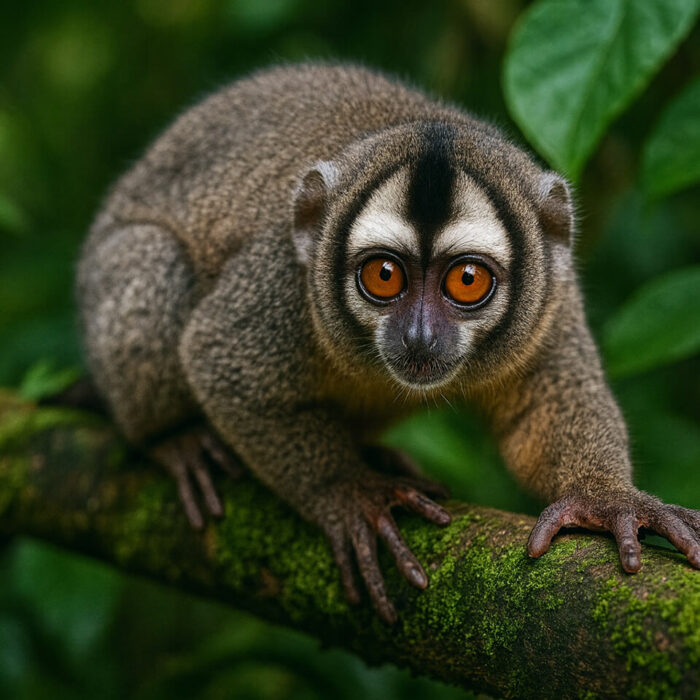
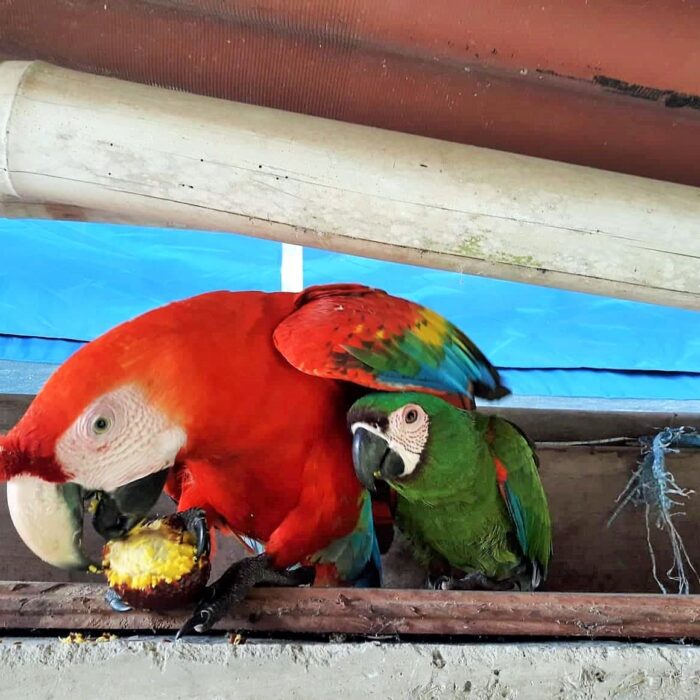
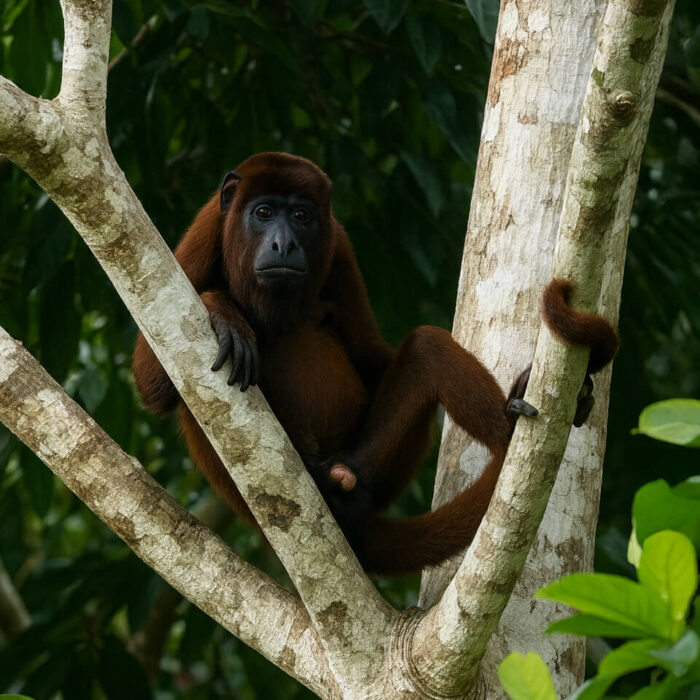
The Manu National Park is one of the planet’s last untouched wildernesses, a vast refuge where the Andes meet the Amazon. It shelters unparalleled biodiversity and ancient cultures, standing as one of Earth’s most vital sanctuaries of life.
The Manu National Park is the most extensive tropical forest reserve on the planet, covering almost two million hectares in southeastern Peru, between the departments of Cusco and Madre de Dios — an essential part of the Amazon River basin.
In 1977 it was declared a UNESCO Biosphere Reserve, and in 1987 recognized as a World Heritage Site.
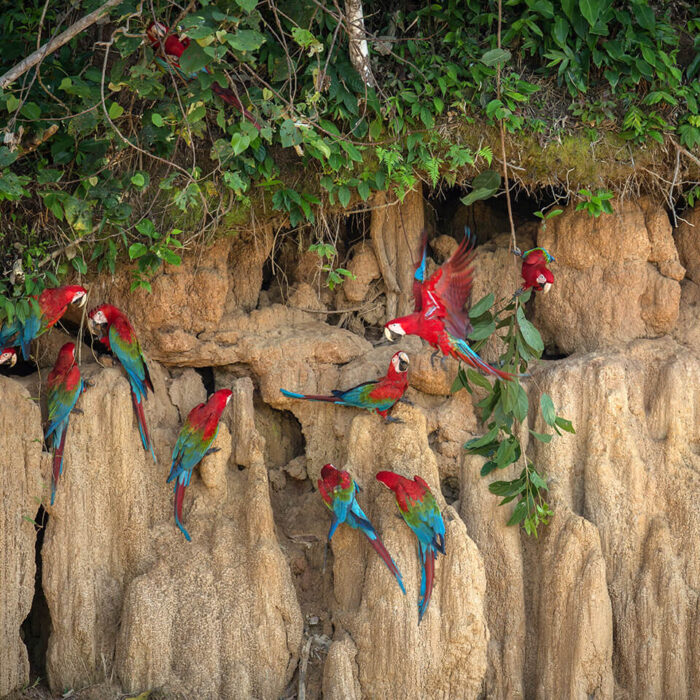
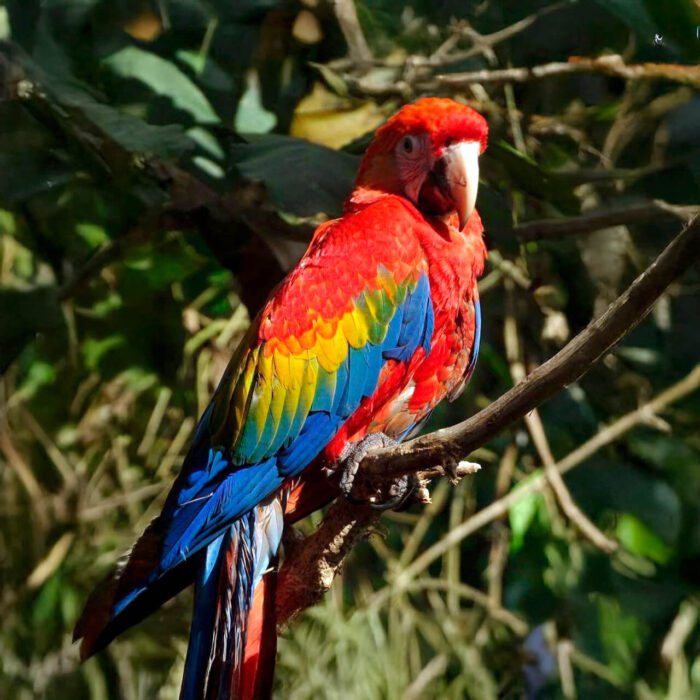
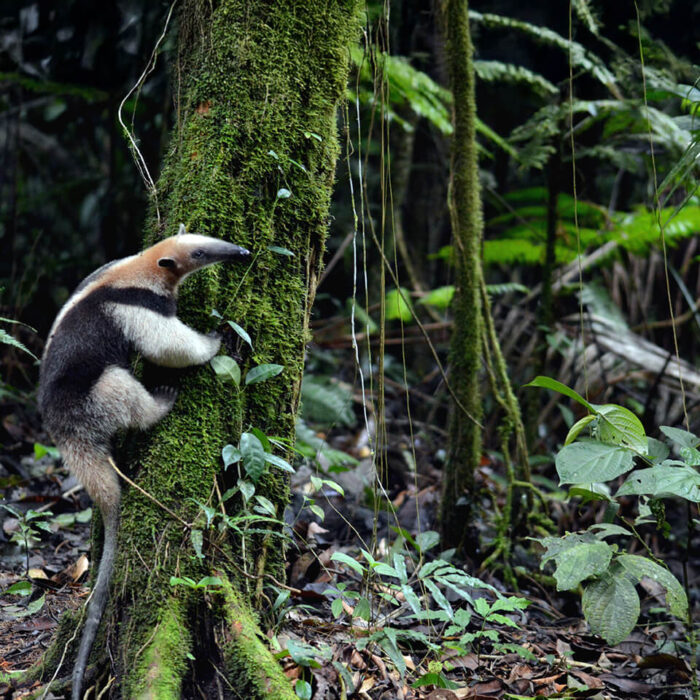
The Manu Biosphere Reserve, unlike the rest of the Amazon basin, has an impressively wide variety of microclimates and ecosystems due to its geographical position. Located at the foot of the Andes, its territory ranges from 4,000 meters above sea level down to 250 meters in the lowland forest. The variety of endemic species is also remarkably high: 10% of the world’s bird species are found here, and in a single hectare of forest more than 200 vascular plants have been recorded, while a single tree can host up to 5,000 insect species.
During our trips, it is possible to pass through different valleys, among them:
- Kosñipata
- Alto Madre de Dios
- Ishirive
- Manu
- Azul
- Blanco
Manu National Park | Manu Perú Amazon
ACJANACO
Acjanaco is the name given to the mountain pass that marks the entrance to the Manu National Park. It separates two completely different worlds: the dry Andean highlands and the lush vegetation of the Amazon Basin. Crossing this point means leaving behind the arid mountains to enter a world of exuberant greenery.
Acjanaco is the first checkpoint and ranger station of Manu National Park, located at 3,500 meters above sea level. In the Andean grasslands abound ichu grass, small shrubs, polylepis, orchids, and other valuable botanical species, along with a varied high-Andean fauna.
PAUCARTAMBO
Paucartambo brings pleasant memories for its simplicity and colonial charm. This small town, known for its strong folk traditions, is home to the famous festivity of the Virgen del Carmen, the sunrise viewpoint of Tres Cruces, and an ancient culture of potato cultivation inherited from Inca times.
Located 109 km from Cusco at 2,906 meters above sea level, Paucartambo lies in a valley where the Paucartambo River meets the Qenqomayu River. Narrow cobblestone streets and white houses with blue balconies dominate the town’s landscape.
Every year from July 15th to 18th, the town celebrates the Virgen del Carmen with music, dances, and processions full of colorful masks and traditional costumes — a meeting of devotion and joy that attracts visitors from all over Peru and abroad. The Virgin’s image was crowned by Pope John Paul II during his visit to Peru, an event still remembered across the Andes.
PILCOPATA
Crossing the Acjanaco natural border leads into the Amazon Basin, where the descent through various forests and ecosystems begins. Vegetation becomes increasingly dense and exuberant until reaching the foothills of the Andes at around 700 meters.
Before reaching the lowland rainforest lies the village of Pilcopata, founded about 35 years ago by settlers of Andean origin during the construction of the only road leading to the Alto Madre de Dios River basin — the same route we use today to reach the Manu rainforest.
Located between the Pilcopata and Tono rivers in the Kosñipata Valley at 700 meters, its main economic activities are agriculture — mainly coca leaves, cassava, pineapple, and banana — as well as illegal logging. In recent years, tourism has also increased significantly.
NINAMARCA BURIAL TOWERS
On the way to the Manu National Park, travelers can visit the pre-Inca burial towers of Ninamarca, belonging to the Lupaca culture, located about two hours by car from Cusco. From a distance, they resemble a group of mushrooms scattered over the hill.
The site contains 17 chullpas ranging from 1 to 2.5 meters in height and 0.8 to 1.6 meters in diameter. Most doorways face north. Built with unpolished stones joined with clay, they are cylindrical with slightly conical roofs. The surrounding vegetation consists mainly of ichu grass, characteristic of the cold and windy highlands.
THE AMARAKAERI RESERVE
The Amarakaeri Reserve has long been the territory of the Harakmbut people — including the Amarakaeri, Wachipaeri, Kuzambaeri, Arazaeri, Toyeri, and Sapiteri groups. With the arrival of missionaries, several communities were formed, such as Shintuya.
In 1986, the Harakmbut communities achieved official recognition of the Amarakaeri Communal Reserve. In 1992, studies revealed that the land hosted a rich biodiversity, including endangered species. By Supreme Decree, Amarakaeri was declared a Reserved Zone in August 2000.
BLANQUILLO PRIVATE RESERVE
Since 1990, Blanquillo has operated as an eco-lodge within the Manu rainforest, dedicated to preserving and promoting Peru’s natural heritage by offering authentic experiences in pristine jungle environments.
Tambo Blanquillo Lodge is surrounded by extraordinary biodiversity found nowhere else on Earth. A short walk through a seasonally flooded forest leads to Oxbow Lake Blanco, one of the most spectacular natural settings in the rainforest. The lake’s still waters shelter giant otters, black caimans, and countless bird species.
This region features a series of microhabitats created by ancient rivers that, over geological time, formed natural terraces — each with distinct vegetation. This mosaic of habitats makes these forests some of the richest in biodiversity on the planet.
TRES CRUCES
Tres Cruces (“Three Crosses”) has been a sacred site since ancient times, dedicated to the sun — a symbol of power and life for the Incas and earlier Andean cultures that tracked its movement to mark solstices and equinoxes.
From Paucartambo, a 14 km road leads to the Tres Cruces viewpoint at 3,850 meters above sea level, inside the Manu National Park. Known as the “Balcony of the Orient,” it offers one of the world’s most unique sunrise views — a spectacle of light and color visible only in two places on Earth. Warm clothing is recommended due to the cold temperatures at dawn, but on clear days, the vastness of the Peruvian Amazon can be seen, even as far as the town of Patria.