
Flora and Fauna
The forests of Manu hold one of the richest collections of life on Earth. From towering trees to hidden insects, every layer of the jungle sustains a vast network of interdependence — a living library of evolution that continues to reveal new species to science each year.
Peru’s megadiversity is globally recognized, thanks to its varied geography — more than 60% of its territory belongs to the Amazon. Here, life flourishes in countless forms. The region stands as a genuine natural paradise where an immense concentration of species exists: mammals, insects, birds, plants, and countless organisms, many still unstudied or undiscovered.
However, this natural world faces serious threats. If humanity does not change its relationship with natural resources, many species may disappear before we even learn of their existence. It is worth remembering that at least 25% of modern medicines originate from compounds first discovered in the rainforest — and yet, we have only explored about 5% of its biological wealth. The Amazon remains the greatest pharmacy of the world.
PLANTS
Life in the rainforest is defined by intense competition — a struggle that has led to an extraordinary diversity of chemical compounds in plants. Around 25% of all drugs found in modern pharmacies are derived or inspired by substances from rainforest species. Plants, unable to flee from predators, evolved “secondary compounds”: chemical defenses with no direct role in their metabolism but vital for survival.
In a single hectare (2.5 acres) of rainforest, up to 300 different tree species can coexist — compared to about 20 in a typical temperate forest. The Amazon is, in essence, the world’s largest and most sophisticated natural laboratory of bioactive chemicals.
Along Manu’s floodplains, the vegetation is especially rich. Visitors can still find natural stands of tropical cedar (Cedrela odorata) and scattered mahogany trees (Swietenia macrophylla), both highly valued hardwoods now nearly extinct due to overexploitation. Another tree linked to Manu’s history is the rubber tree (Hevea brasiliensis), whose latex fueled the Amazon’s rubber boom in the early 20th century.
MAMMALS
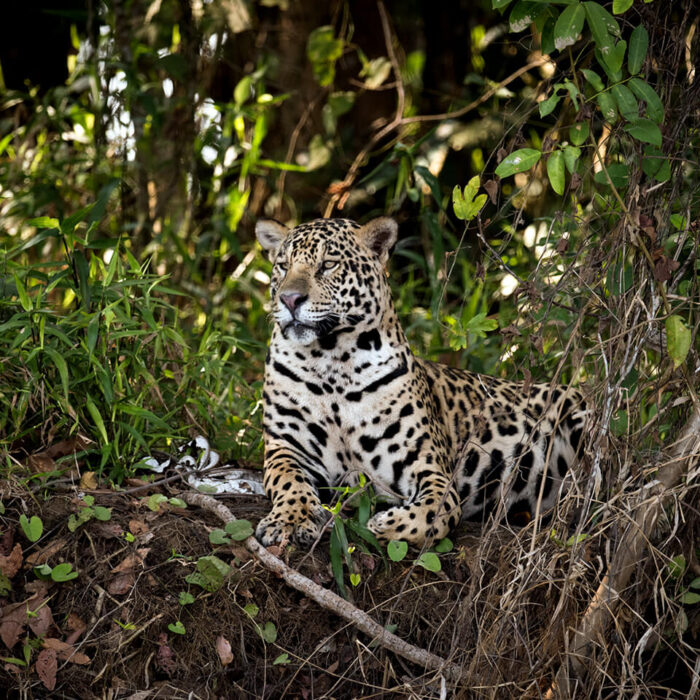
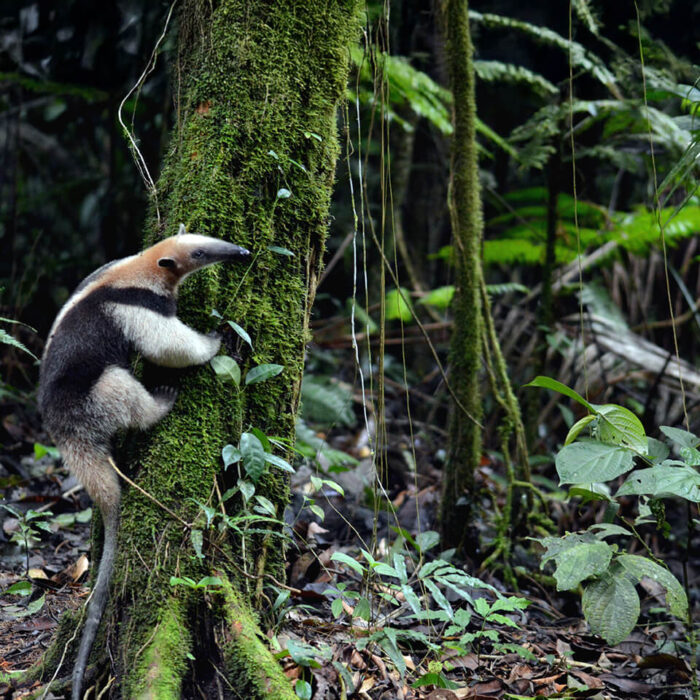
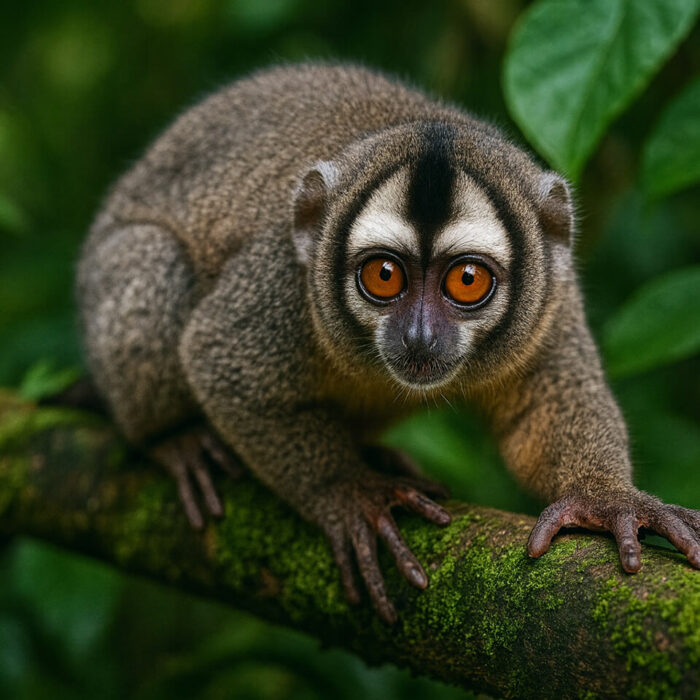
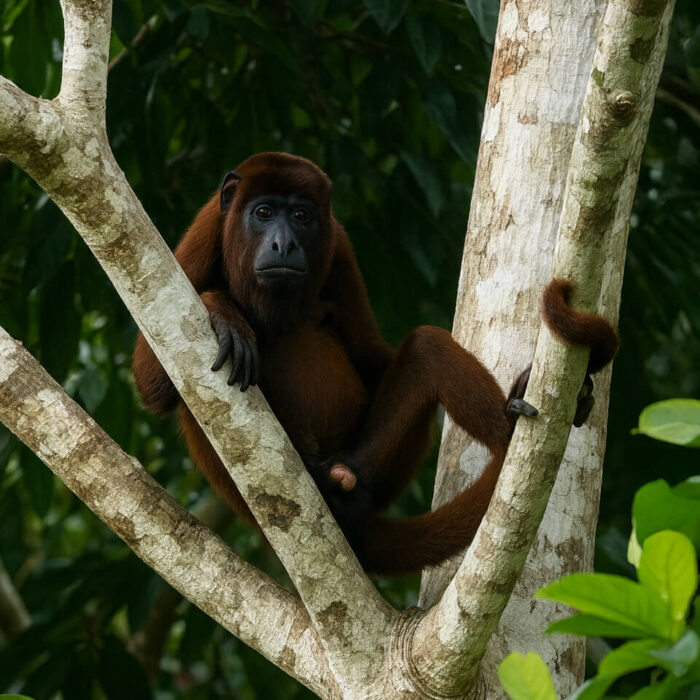
Manu’s forests harbor more than 200 species of mammals, from large predators to elusive nocturnal species. Among them are jaguars, ocelots, pumas, tapirs, giant otters, capybaras, peccaries, and several species of monkeys such as howlers, spider monkeys, and squirrel monkeys. Many mammals are key to the forest’s regeneration, dispersing seeds and maintaining ecological balance.
BIRDS
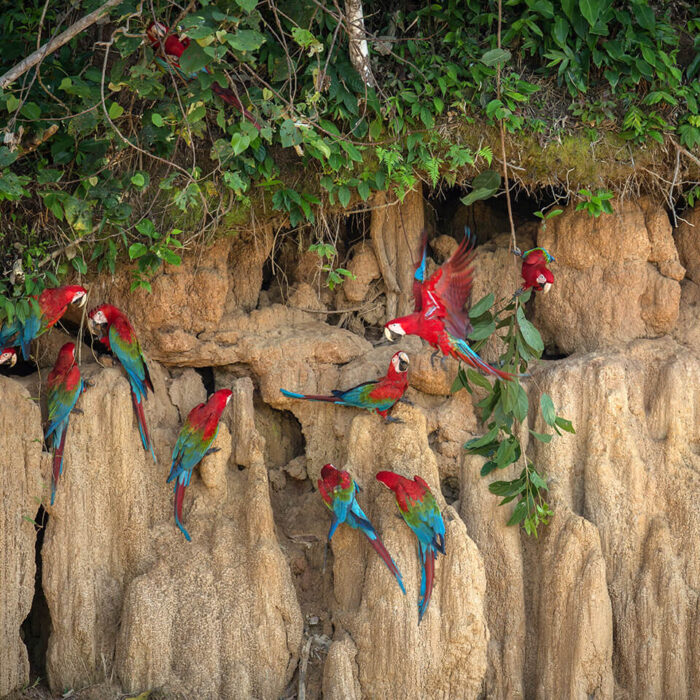
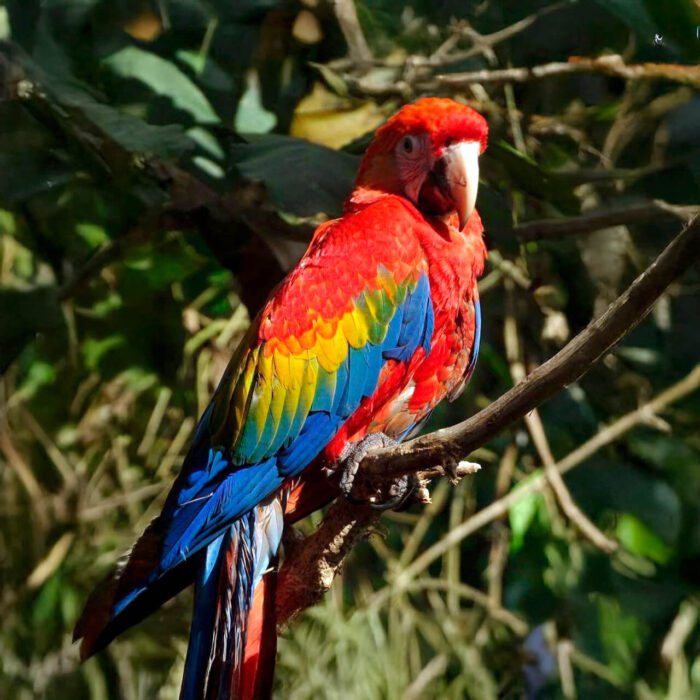
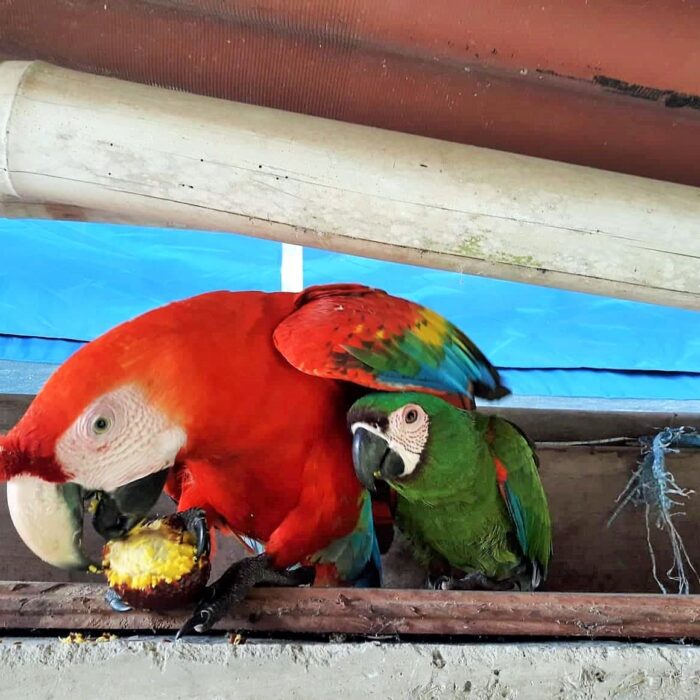
With nearly 1,000 recorded species, Manu is one of the most important birdwatching destinations on the planet. It is home to harpy eagles, macaws, toucans, hummingbirds, herons, and the emblematic cock-of-the-rock (Rupicola peruvianus), Peru’s national bird. The park’s vast range of elevations allows both Andean and Amazonian species to coexist in remarkable proximity.
REPTILES
Reptiles in Manu include an array of snakes, lizards, and turtles, all well-adapted to the tropical environment. Many species are still being documented, with new discoveries occurring each decade. Among the most notable are the green anaconda (Eunectes murinus), boa constrictor, and numerous arboreal snakes that dwell in the canopy.
CAIMANS
Crocodilians have existed for nearly 200 million years, with 21 species worldwide. Their anatomy is remarkably advanced; their hearts are as complex as those of birds and mammals — their closest living relatives. In the Manu region, three species of caimans are found: the white caiman (Caiman crocodilus), the black caiman (Melanosuchus niger), and the Schneider’s dwarf caiman (Paleosuchus trigonatus).
These reptiles are expert predators, hunting mostly at night. When submerged, only their eyes and nostrils break the surface, allowing perfect camouflage. They possess a powerful bite and an instinctive patience that makes them formidable hunters. Being cold-blooded, they depend on sunlight to regulate their temperature, basking in the morning and returning to the water when the sun grows too strong.
TURTLES
Turtles are among the oldest creatures on Earth. Their anatomy has endured virtually unchanged for millions of years. In much of the Amazon, turtles are now considered endangered due to hunting and habitat loss. Manu hosts seven species, the most common being the grooved side-neck turtle and the yellow-headed side-neck turtle. During nesting season, conservation projects work to protect their eggs from predators and illegal collection.
INSECTS
Insects represent the majority of animal life in the Manu Biosphere — an invisible army that drives pollination, decomposition, and nutrient cycling. Scientists estimate that a single hectare of rainforest may harbor tens of thousands of insect species. Many remain unnamed and unknown to science.
Butterflies and beetles are particularly abundant. Manu is home to brilliant blue morpho butterflies, giant grasshoppers, leafcutter ants that cultivate fungi underground, and iridescent dragonflies that hover over oxbow lakes. Each species plays a role in maintaining the health of the forest ecosystem. The Amazon’s insect life is not only vital for biodiversity but also a source of wonder, revealing the complexity of nature at its smallest scale.